
The ultimate functional power of common beans you can’t ignore
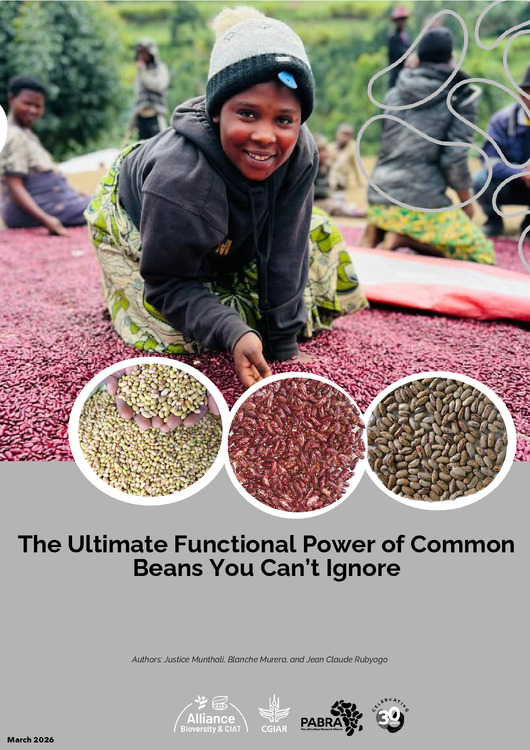
Africa is facing a growing health crisis marked by the dual burden of undernutrition and rising non-communicable diseases (NCDs), including cardiovascular diseases, diabetes, obesity, and cancer. Rapid urbanization, dietary transitions toward processed foods, and sedentary lifestyles are accelerating this trend, placing immense strain on already challenged health systems. Amid these concerns, there is increasing recognition of the role of affordable, locally available foods in improving health outcomes. Common beans (Phaseolus vulgaris) emerge as a powerful, yet underutilized, solution. Rich in dietary fibre, plant-based protein, antioxidants, and essential micronutrients, beans contribute to improved cardiovascular health, better blood glucose regulation, weight management, reduced inflammation, enhanced gut health, and lowered cancer risk. Their low glycaemic index and high nutrient density make them particularly effective in preventing and managing diet-related NCDs. This paper highlights the functional health benefits of beans and explores practical, evidence-based strategies to increase their consumption across African populations. These include behavior change communication, nutrition education, product innovation, strengthened research, improved accessibility, and supportive policy frameworks such as integrating beans into school feeding and public health programs. By repositioning beans as a central component of sustainable diets, Africa has a unique opportunity to address its nutrition and health challenges while promoting resilient food systems. Increasing bean consumption represents a cost-effective, scalable pathway toward improved public health and long-term socio-economic wellbeing.