• English
  • Español
  • Français
  • Português
Alliance Bioversity International - CIAT

Menu

  • Accueil
  • Qui sommes-nous
    • Histoire
    • Stratégie
    • Gouvernance
    • Finance
    • Scientifiques
    • Bureaux
  • Notre travail
    • thèmes de recherche
      • Environnement alimentaire et comportement des consommateur.rice.s
      • Paysages Multifonctionnels
      • Action pour le climat
      • Agrobiodiversité
      • Inclusion numérique
      • Cultures pour la nutrition et la santé
      • Genre, jeunesse et inclusion
    • Régions
      • Afrique
      • Amériques
      • Asie
    • Cultures
      • Bananes
      • Haricots
      • Manioc
      • Riz
      • Fourrages Tropicaux
    • suppléments
      • Banques de gènes
      • Projets
  • Histoires
  • Evénements
  • Chemins vers l'impact
  • Publications et données
  • Outils et innovations
  • Rapports annuels
    • Rapport Annuel 2024
    • Rapport annuel 2023
    • Rapport annuel 2022
    • Rapport annuel 2021
    • Rapport annuel 2020
    • Rapport annuel 2019

Secondary

  • Partenaires
    • Faire un don
  • Services
    • Banques de gènes
    • Laboratoires
  • L'éthique
  • Carrières
  • Appels d'offres
  • Médias et presse
  • Newsletters
  • CGIAR
Faites un don maintenant et plantez des arbres avec des agriculteurs au Kenya.
  • Accueil
  • Notre travail
  • Afrique

Publications

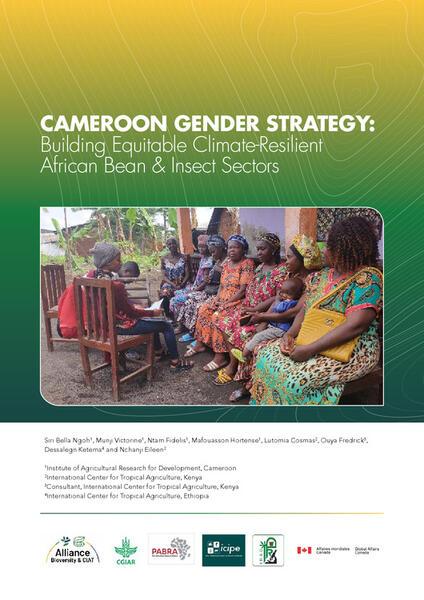
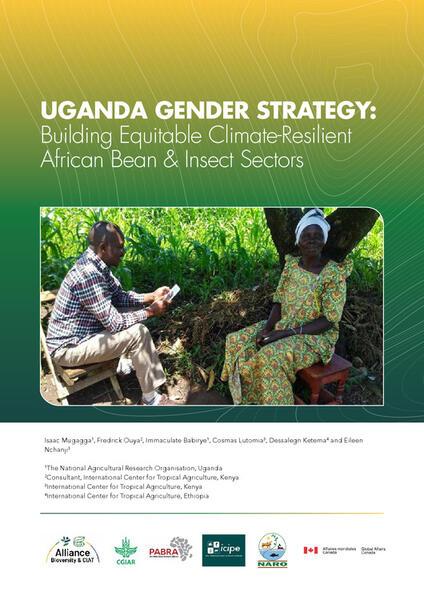
Qualitative gender analysis country report, Cameroon: Building equitable climate resilient African bean and insect sectors

Transformative bottom‐up change in highly dynamic food environments: Learning from living labs in Africa

Modeling greenhouse gas emissions and mitigation strategies in Kenya's dairy system using life cycle assessment: A case study for Nandi and Uasin Gishu counties – Rift Valley

Anticipating food crises in the Sahel: A methodology for integrating climate and conflict risks into food crises early warning systems in the Sahel

NUS at the nexus of biodiversity, climate and nutrition

Lessons on scaling sustainable practices for resilient agrifood systems

Climate vulnerability assessment and development of adaptation strategies for agricultural value chains in Nampula and Zambézia, Mozambique

Climate risks, agricultural vulnerabilities and adaptation pathways in Nampula and Zambezia based on field evidence from Mozambique

Dissecting the genetic and phenotypic basis of salinity tolerance in mungbean: Insights from multi-stage phenotyping, GWAS and genomic prediction

Explainable machine learning driven nutrient recommendation for maize production in Malawi

Pathogen and pest communities in agroecosystems across climate gradients: Anticipating future challenges in the highland tropics

Screening for the efficacy of botanicals and soaps in controlling the Banana Aphid Pentalonia nigronervosa (Hemiptera: Aphididae) under laboratory and screenhouse conditions

Youth in relation to agroecology: practices, promises, and perceptions in five countries

Aphid control using natural enemies: Lessons for fine-tuning banana-aphid management

The effects of agronomic practices on soil greenhouse gas emissions in maize production systems in Buea, Cameroon

Pagination

  • First page « First
  • Previous page ‹‹
  • …
  • Page 9
  • Page 10
  • Page 11
  • Page 12
  • Page courante 13
  • Page 14
  • Page 15
  • Page 16
  • Page 17
  • …
  • Next page ››
  • Last page Last »

L'Alliance de Bioversity International et du CIAT fait partie de CGIAR, un partenariat mondial de recherche pour un avenir sûr sur le plan alimentaire.

Contact

Siège de l'Alliance
Adresse : Via di San Domenico, 1, 00153 Rome, Italie

Siège de l'Alliance

Téléphone : (+39) 0661181
Fax : (+39) 0661979661


Informations juridiques

Nos centres
Notre politique de protection de la vie privée

Suivre

Anglais | Espagnol 

Anglais | Espagnol

Anglais

Anglais | Espagnol

Anglais | Espagnol

Anglais

Anglais et Espagnol